Choosing between over-ear headphones and in-ear earbuds feels a bit like choosing between a luxury SUV and a nimble sports car. Both will get you where you’re going, but the experience—and how they handle the curves of your daily routine—is vastly different. If you’ve ever had a bulky pair of headphones slide off your head during a bench press, or felt the stinging frustration of an earbud popping out mid-sprint, you know that the “wrong” choice isn’t just a minor inconvenience; it can completely derail your flow.
In this guide, we’re going to strip away the marketing fluff and look at the actual physics of sound and fit. Whether you’re a marathon trainer, a heavy lifter, or someone who just needs a reliable companion for a grueling commute, understanding what are better headphones or earbuds for your specific needs is the first step toward a better audio experience.
The Comfort vs. Stability Trade-off
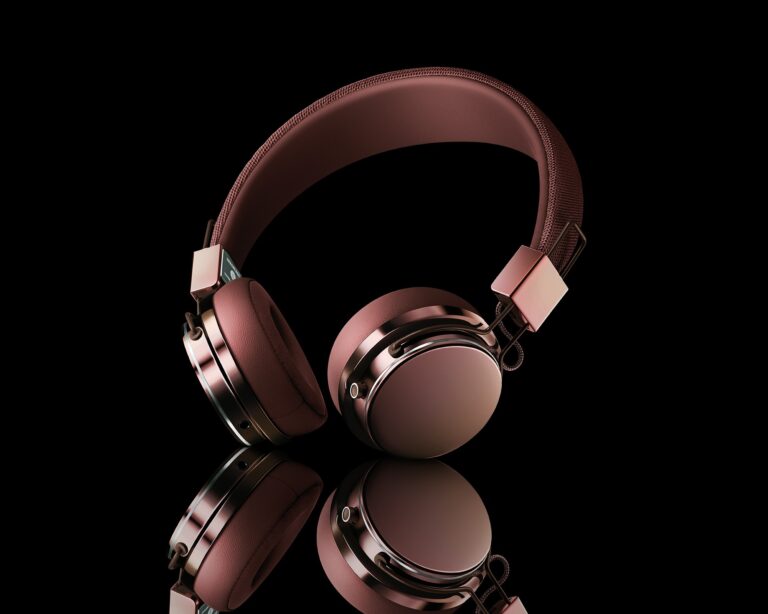
The primary difference between these two form factors lies in how they interact with your body. Over-ear headphones rely on a headband and clamping force to stay in place. While this creates a plush, “living room for your ears” feeling, it’s inherently unstable for high-impact movement.
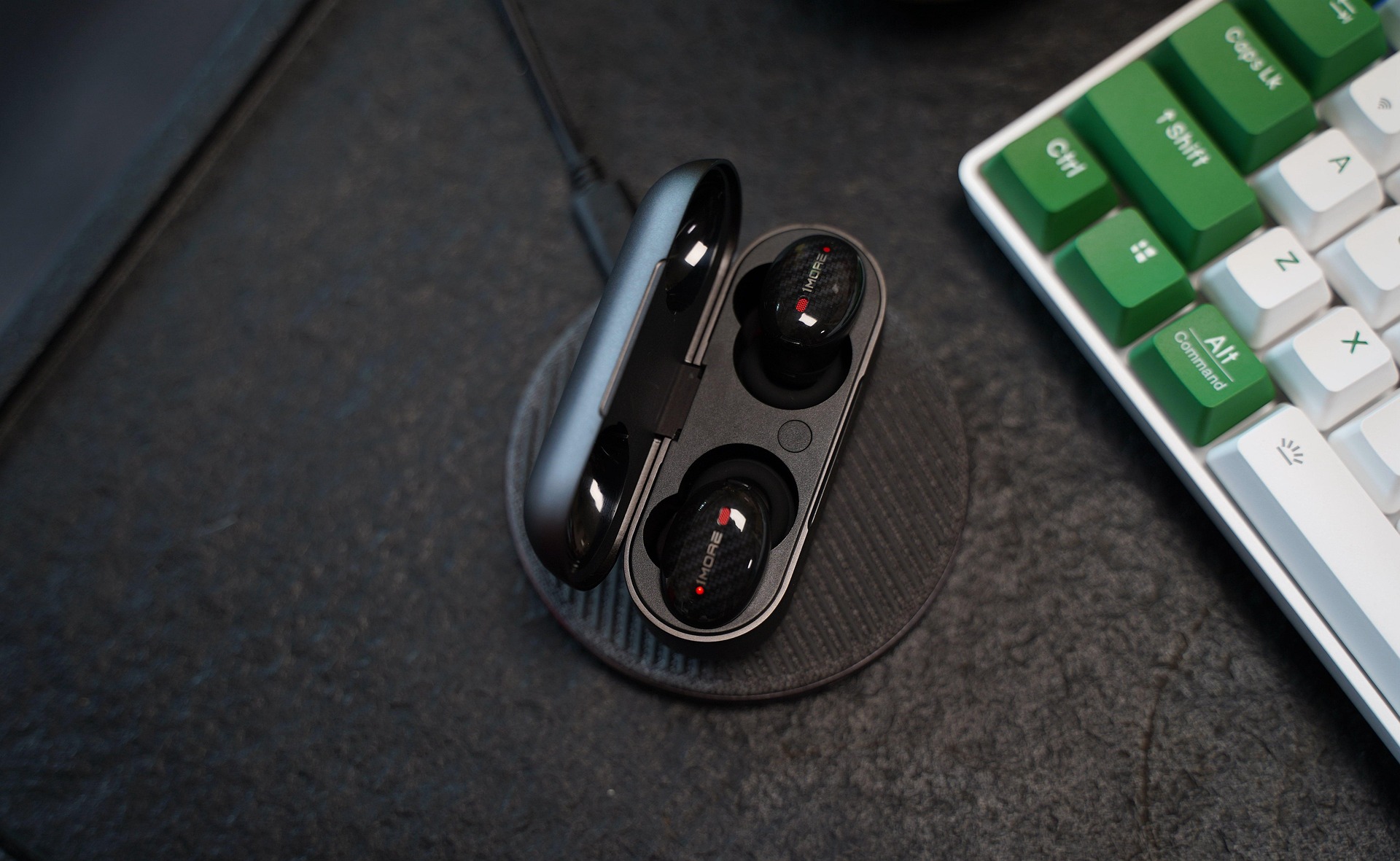
On the flip side, earbuds sit inside the ear canal or hook around the outer ear. For anyone asking what are better headphones or earbuds for movement, the answer almost always leans toward the latter. Modern TWS (True Wireless Stereo) designs, like those we focus on at Jesebang, utilize ergonomic ear hooks that distribute weight across the entire ear. This prevents the “pendulum effect” where heavy earcups pull away from your head during dynamic exercises like burpees or mountain climbers.
Why Earbuds Win the Ergonomic Race:
- Weight Distribution: Earbuds weigh a fraction of headphones (usually under 10 grams per bud), reducing neck strain.
- Heat Management: Headphones act like earmuffs, trapping heat and moisture. Earbuds allow your skin to breathe, which is vital during a 45-minute HIIT session.
- Glasses Compatibility: If you wear glasses, the thick cushions of headphones can press the frames into your temples. Earbuds bypass this issue entirely.
Technical Performance: Sound, Battery, and Durability
When people ask what are better headphones or earbuds, they are often concerned about losing sound quality or battery life by “going small.” While it’s true that headphones have larger drivers (the speakers inside), TWS technology has closed the gap significantly in 2026.
Sound Engineering
Headphones typically use 40mm drivers, which naturally move more air for deep bass. However, Jesebang earbuds utilize triple-layer composite diaphragms and 13mm drivers that are tuned specifically for the ear canal’s acoustics. Because the seal is tighter, you actually get a more direct “hit” of bass without needing the massive hardware.
Durability and the “Sweat Factor”
This is where the distinction becomes crystal clear. Most high-end headphones are not designed for moisture. Sweat can degrade the leather (or protein leather) earpads and seep into the internal electronics. Jesebang earbuds are built with an IP7 waterproof rating. This means they aren’t just “sweat-resistant”; they are literally dunk-proof. You can rinse them under the tap after a dusty trail run, a feat that would destroy almost any over-ear headphone.
| Feature | Over-Ear Headphones | Jesebang TWS Earbuds |
| Portability | Bulky, requires a case | Pocket-sized charging case |
| Water Resistance | Rare (usually IPX4 at best) | IP7 Waterproof |
| Stability | Moderate (slips during cardio) | High (Secure Ear-hooks) |
| Battery Life | 30–60 Hours | Up to 40+ Hours with case |
| ENC/ANC | Excellent isolation | Superior ENC for clear calls |
The Connectivity Evolution: Bluetooth 5.3
One of the biggest frustrations with older wireless tech was the “audio lag” or the signal dropping out when your phone was in your pocket. When deciding what are better headphones or earbuds, you need to look at the version of Bluetooth under the hood.
Many headphones still rely on older 5.0 chips to save on manufacturing costs. Jesebang has moved entirely to Bluetooth 5.3. This provides a more stable connection in “noisy” signal environments (like a crowded gym where everyone has wireless gear) and significantly reduces power consumption. It also allows for nearly instantaneous pairing the moment you open the case.
Maintenance: Keeping Your Gear Peak-Condition
Building trust with your gear means taking care of it. Regardless of your choice, hygiene is paramount.
- For Headphones: You must wipe down the pads after every use to prevent “gym ear” or skin irritation.
- For Jesebang Earbuds: Since they are IP7 rated, maintenance is a breeze. Use a damp cloth for the exterior and a dry cotton swab for the charging contacts. Ensuring the pins are clean ensures your 40-hour battery life stays consistent for years.
The Verdict
If you are sitting in a quiet office or a long flight, the immersive nature of over-ear headphones is hard to beat. But for the rest of your life—the commute, the gym, the rainy-day jog, and the hands-free calls—earbuds are the superior tool. They offer the portability, durability, and secure fit that modern life demands. At Jesebang, we’ve engineered our TWS line to ensure you never have to choose between “small” and “powerful.” You get the best of both worlds, tucked right into your pocket.