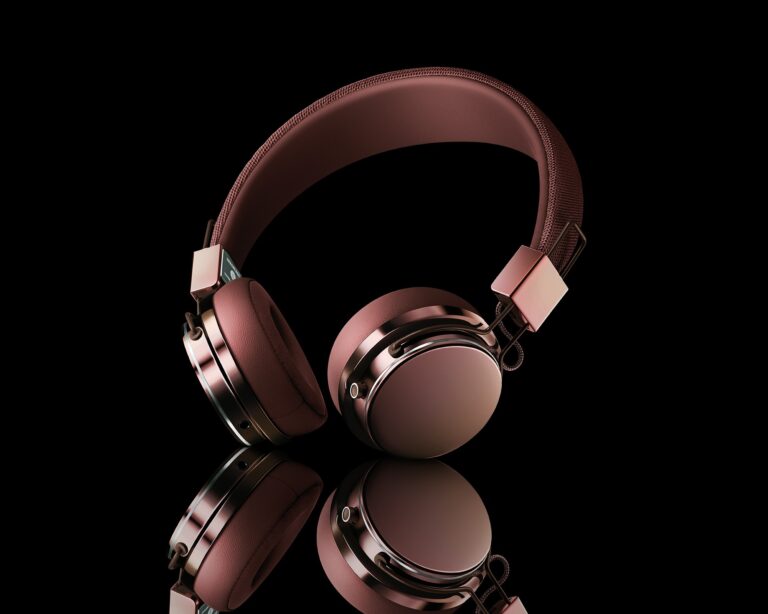

We’ve all been there: you’re at the halfway point of a grueling run, your favorite high-tempo track starts to build toward the drop, and you need that extra surge of energy. You reach for your ears, but the volume doesn’t budge. Or worse, you’re in a noisy gym, and the clanging of weights is drowning out your podcast.
Knowing how to turn up the volume on earbuds seems like it should be the simplest thing in the world, yet with the evolution of TWS (True Wireless Stereo) technology, it has become a frequent point of frustration. Modern earbuds have ditched wires and physical buttons for sleek touch sensors and intelligent software. While this makes them sweatproof and stylish, it also adds a layer of complexity.
In this guide, we’re going to break down the mechanics of volume control, troubleshoot common “quiet sound” issues, and show you how Jesebang’s ergonomic designs ensure you never miss a beat.
Mastering the Controls: How to Turn Up the Volume on Earbuds
Every brand has a different “language” for its touch interface. If you are struggling with how to turn up the volume on earbuds, the first step is identifying the control scheme of your specific model.
1. The Touch Sensor Logic
Most modern TWS earbuds, including the Jesebang sports series, use capacitive touch sensors. To prevent accidental triggers during heavy movement, volume is rarely a single tap.
- The Right Earbud Rule: In the world of Bluetooth audio, the right earbud is almost always the “master” for volume increases.
- Long Press vs. Double Tap: On many Jesebang models, a long press on the right earbud will steadily increase the decibels, while a long press on the left will decrease them.
2. Device Synchronization (Absolute Volume)
Sometimes, your earbuds are at 100%, but your phone is only at 50%. This is due to a setting called Bluetooth Absolute Volume. If you find that your earbuds aren’t loud enough even after maxing them out, you may need to go into your phone’s “Developer Options” (Android) or “Sounds & Haptics” (iOS) to ensure the device and the earbuds are synced at the same output level.
Why Is My Volume Too Low? Troubleshooting Hidden Issues
If you’ve mastered the taps but the sound still feels muffled, the problem might not be the software—it might be physics.
The “Seal” Factor
For in-ear buds, volume is directly tied to the seal. If your ear tip is too small, sound “leaks” out, particularly the bass frequencies. This makes the audio feel thin and quiet. Jesebang provides multiple ear tip sizes for a reason; finding that perfect fit acts as natural noise isolation, making your music feel 30% louder without actually turning up the digital volume.
Debris and Maintenance
It’s a “gross” reality of fitness audio: earwax and sweat. Over time, a thin film can develop over the speaker mesh. Even a microscopic layer of buildup can significantly dampen sound waves.
Pro-Tip: Every two weeks, use a dry, soft-bristled toothbrush to gently clean the speaker mesh. This simple maintenance step can restore that “out-of-the-box” punchy sound instantly.
The Jesebang Advantage: Designed for the Loud and Bold
When we engineered our latest line of TWS earbuds, we looked at the common complaints regarding how to turn up the volume on earbuds during high-intensity training. We realized that when you’re sprinting or lifting, you don’t have the fine motor skills to fiddle with tiny buttons.
Physical Stability Meets Digital Control
Jesebang earbuds feature ergonomic ear hooks and a stabilized fit. Why does this matter for volume? Because a stable earbud stays in the “sweet spot” of your ear canal. When an earbud wobbles, the perceived volume fluctuates. Our design ensures that 100% of the sound driver’s energy is directed straight into your ear, providing a consistent, high-fidelity experience.
Bluetooth 5.3: Efficiency and Power
Older Bluetooth versions (like 4.2 or 5.0) often suffered from signal attenuation, leading to “quiet” spots or dropped audio. Jesebang utilizes Bluetooth 5.3 chips. This tech doesn’t just offer a more stable connection; it provides better power management for the internal amplifier, allowing for higher peak volumes without distorting the audio or draining your battery.
Optimizing Your Audio Experience
Beyond just knowing the button presses, you can optimize your environment to make your music pop.
- Check the App: Many streaming services (like Spotify or Apple Music) have a “Normalise Volume” setting. If your music feels too quiet, try turning this off to allow for the full dynamic range of the track.
- EQ Settings: Sometimes, boosting the “Mid” frequencies in your phone’s equalizer can make voices and guitars sound much clearer in noisy environments, giving the illusion of higher volume without hitting dangerous decibel levels.
Whether you’re crushing a PR at the gym or commuting through a busy city, your music should be your sanctuary. By understanding the touch mechanics of your Jesebang gear and keeping your hardware clean, you ensure that the power to motivate yourself is always just a tap away.